All Activity
- Past hour
-
Unfortunately, I am not showing any wide widths available in these.
- Today
-
1. There is no assuming a fielder can/cannot make a play. If a runner interferes with the protected fielder, the ball is dead at that point so there is no longer a play to be made. 2. The offense only gets the choice if all runners and the BR do not achieve their next base. If everyone advances 1 base, we ignore the interference, even if outs occur beyond the advanced base. 3. Delayed Dead Ball - Batter interference, Umpire interference on a throw, Catcher's Interference Immediate Dead Ball - Spectator interference, Umpire interference on a hit, Runner/BR interference, Retired Runner Interference, Coach's Interference, Authorized individual interference (bench player, ball boy),
-
Looks like I am in the minority here. But I've got nothing. First, who created the problem? Second, the batter made a legitimate effort to get out of the way of a play at the plate. Third, even if the batter was in the way of the pitcher, it is unlikely a play could have been made on the runner. Bottom line, I'm not going to pull one out of my you know what to bail out a miscue by the offense. For the scorekeepers in the midst, score the run on a wild pitch.
-
batter did not do this by design, nor was it premeditated or intentional. by trying to do the right thing and get out of the way, he actually gets in the way and commits interference.
-
1) Assuming the fielder cannot make a play, it is an immediate dead ball and any runners are returned to base occupied at the time of the pitch. 2. No, it is a delayed dead ball. Offense can take the result of the play or advance batter and any runner attempting to advance on the pitch, one base. 3. No. Many interference calls result in a delayed dead ball.
-
A). Baserunner running his normal path to second base is called for interference by running into an infielder making a play on a batted ball. Is this a dead ball? Where are the other runners/batter placed? B). The batter makes contact with the catcher's mitt as he swings, but still manages a hit down the line that will certainly score the runner from second, and potentially be a double for himself. The plate umpire recognizes the catcher's interference. But.... is this an immediate dead ball?? C) Are most all offensive interference plays called immediately as a dead ball...?? Or delayed penalty...??
-
Be nice if they could be available in wider widths?
-
Except the bedlam part.
-
This is clearly a volunteer umpire, and none of the above is going to happen. C'est la vie!
-
A runner is assumed to have acheived a base when he passes it, even if he does not tag it. The defense must appeal the miss in order to get a ruling from the umpire (if missed, the umpire calls out, if tagged, he calls safe). An umpire should be careful not to tip off either team of the miss, if he sees it. It is the defense's responsibility to see it and appeal. It is the runner's/offense's responsibility to notice and try to correct the error before the appeal is made. I'll let my umpire friends correct me if I am wrong, but with no play at the plate you shouldn't get a safe signal. Since the defense did not try to tag the runner, there is no call to make.
- Yesterday
-
Okay... Good! You (general collective "you") / We have to know this ruling, cold. Implicitly. Backwards and forwards. Why? Watch the video clip again. Yes, the context is young kids playing baseball, and from the size disparity, likely 11U, maybe 12U. Absent the PU missing this (which he obviously did), if the PU doesn't rule on this in a direct, decisive, definitive manner, there will be bedlam. The only way through this is with conviction-of-call, and citing the rule, virtually verbatim. No daddy-coach, local hire, or even small travel/academy coach knows this/these rule(s), and even if they're aware of it, they don't know the particulars.
-
There is no call unless and until the defense appeals that the runner missed home plate. That appeal has to happen before the next pitch (or play depending on the ruleset).
-
 Coach B joined the community
 -
A runner seemingly scores at home with no throw to the plate, but does not actually touch home. The defense assumes he scores, and gets the ball to the pitcher and prepares for the next batter. The runner (who "scored") simply walks to his dugout, and the next batter gets ready to hit. The plate umpire says nothing and never signaled a safe call, and never signaled out as the runner walks off. Everybody in the park thinks he scored. What's the call?
-
@Marcus6 yes, Gerry Davis will be carrying them.
-
The current Purchase Officials catalog says they are getting these in 2027. Is Davis getting these @DerekGDS?

-
Yes. Believe it so much they list it twice: 5.09(b)(8) Any runner is out when he attempts to score on a play in which the batter interferes with the play at home base before two are out. With two out, the interference puts the batter out and no score counts; 6.01 (a)(3) Before two are out and a runner on third base, the batter hinders a fielder in making a play at home base; the runner is out;
-

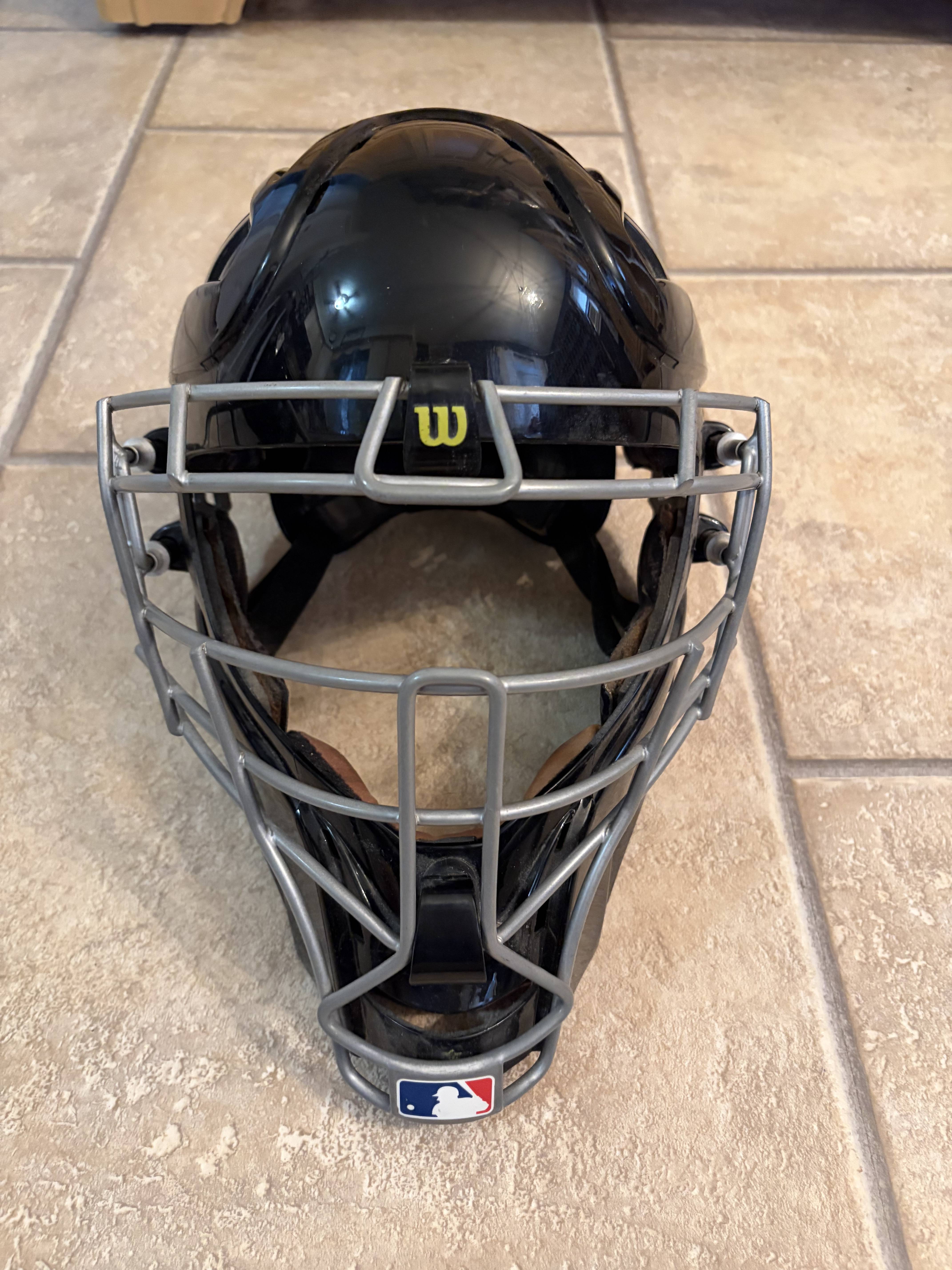
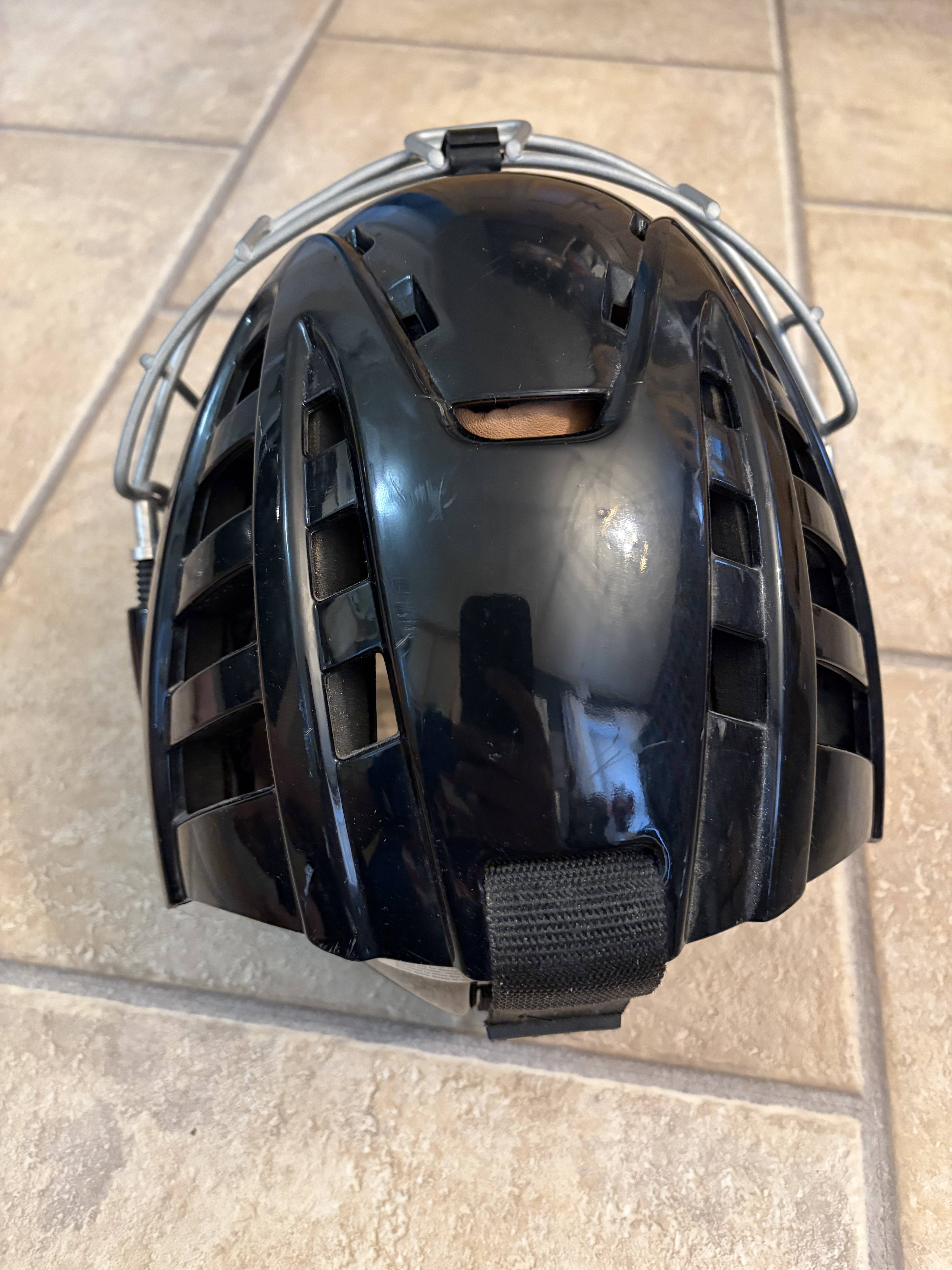
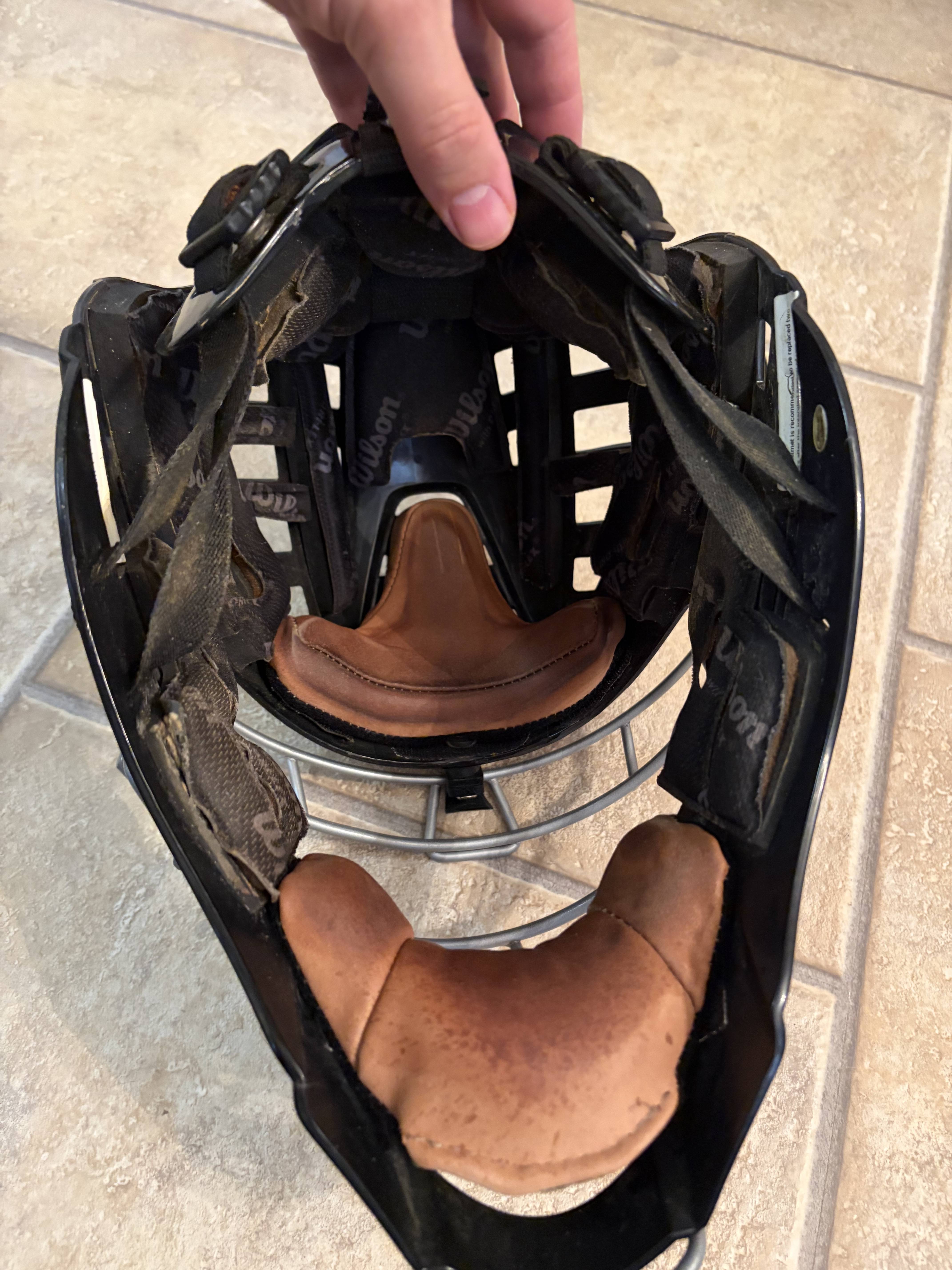
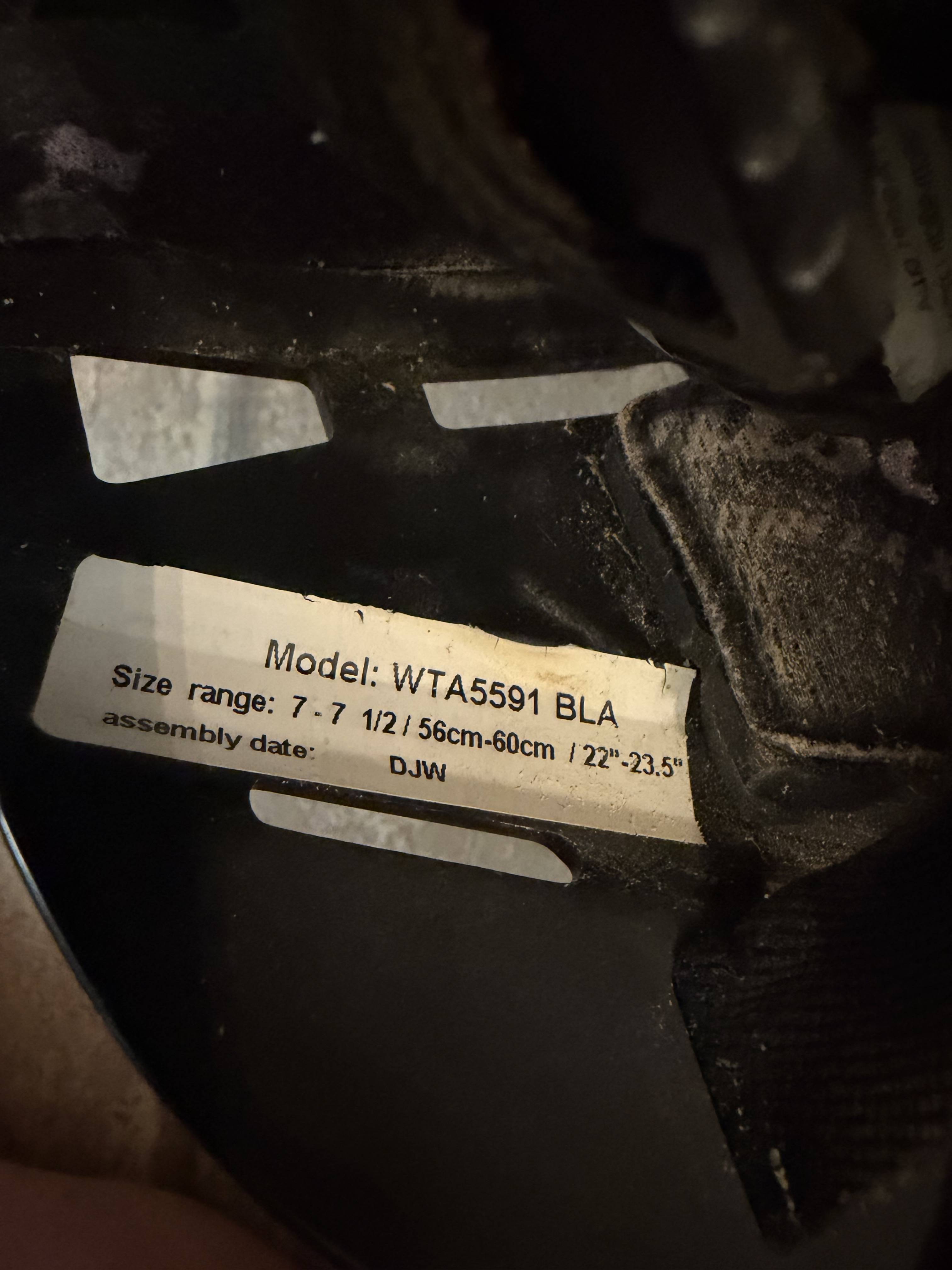
Wilson Shock FX 2.0 Hockey style Mask
PAumpire01 replied to PAumpire01's topic in Buy, Sell or Trade
-
This has been sitting in my closet for a few years. I no longer wear HSM. This is the old style Wilson with the shocks. Mask isin pretty good shape. $100 obo
-
Oo, I like this perspective. Isn't there a provision or component to INT regarding INT by a "member of the teat at bat", ie. base coaches? With R1, INT by the BC (either) results in Batter being called out, Runners return (paraphrased, IIRC). However, with R3, INT by the BC (3BC specifically?) results in R3 being called Out? Yes? Is that how I remember it? Then again, if I remember correctly, there's a provision for squeeze plays, with BI... that R3 is specifically called Out, and Batter continues, as punishment and prevention for attempting to score R3 again. Yes?
-
I use "at home base" as the location where a batter would be guilty of BI. Others argue that any hindrance of "a play at home base" would be BI.
-
What ruleset? NCAA has the same as all baseball rulesets: "11.20.2 Exceptions: (1) If a base runner is advancing to home plate and there are fewer than two outs, the base runner, instead of the batter, is out." USA rulebook is difficult to navigate and I can't find anything one way or the other. I don't have NFHS.
-
Good question. We don't have BI, we have a member of the team at bat failing to vacate and hindering the pitcher. R3 out other runners return. 6.01(b) What's the distinction you're using to invoke 6.01(b) vs 5.09(b)(8) / 6.01(a)(3)?
-
Good question. We don't have BI, we have a member of the team at bat failing to vacate and hindering the pitcher. R3 out other runners return. 6.01(b)"...............................................If a member of the team at bat (other than a runner) hinders a fielder’s attempt to field a thrown ball, the ball is dead, the runner on whom the play is being made shall be declared out and all runners return to the last legally occupied base at the time of the interference."
-
Ok, I'm a softball guy where we would call the batter out on INT and send the runner(s) back. Is this called differently in the little ball/big field game?
-
Right, but are we calling the Batter out (and R3 back to 3B)? Or R3 (and Batter continues)?