
Leaderboard


Popular Content
Showing content with the highest reputation on 08/05/2026 in all areas
-
This is definitely a game our colleague Clarence Callsafew will be on!2 points
-
I get what you are saying, but cutting costs goes hand in hand with reduced benefits (and reduced opportunities). I will be curious to see what the outcomes are over the long run.1 point
-
Clarence will also be on his phone between innings. I'm sure he is just checking his e-mail to see which higher-paying game he wants to pick up tomorrow (and then find replacements for the two he already has booked).1 point
-
The new system does limit the pool, but for pure enjoyment of competition with no risk, I use https://www.nflpoolpicks.net for my football pick'em leagues. It tracks everything automatically. Your point about needing to enter to win is spot on, even if this new approach feels more restrictive.1 point
-
Mizuno Japan beat you to it, TMiB.
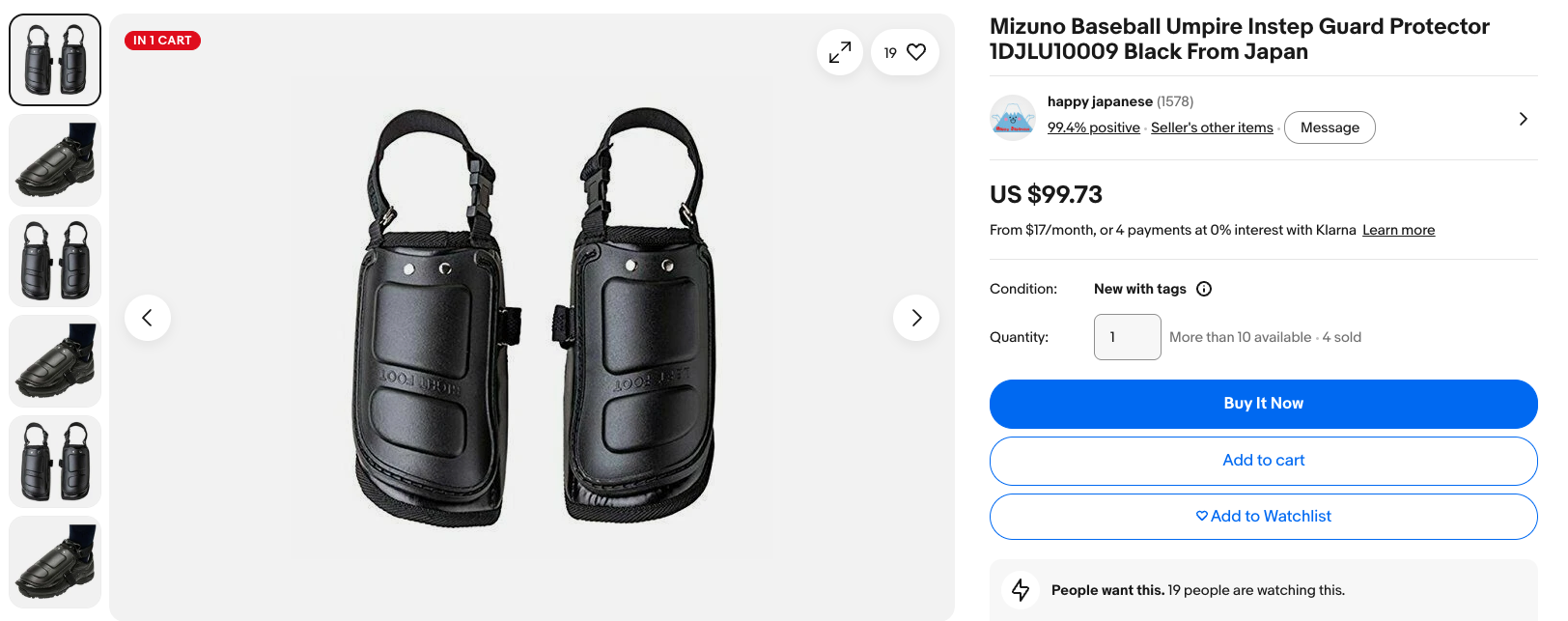 1 point
 -
Easy. Plate shoes. This is the one piece of equipment that should, and needs, to completely alter its convention. They are a – pardon the obvious pun – walking contradiction. As a company, you can only put so many resources into these shoes, make 'em like tanks (which they do), only for them to invariably wear out in some way. Whether that be internally, the sole / traction diminishes, or they get stepped on and damaged. Then you have the wildly broad range of size combinations – from as small as 5 (I'll never forget ya @Tksjewelry !) all the way to 16-17, and then from D to 4E in width! ... and then there's preferences on low, mid, or hi-top!! ... and then there are those cantankerous, stodgy users who want demand all-black! (How in the heck are you supposed to promote athleticism and advertise your company on an all-black shoe??!!) It is a daunting design challenge. Certainly, with the latitude of "money no object or barrier", something may one day emerge as a solution. If I was to undertake this one, I'd separate the protective components from the shoe itself. Let shoe manufacturers (continue to) make shoes in the variety of sizes, widths, and styles – and white embellishments!! – like they're fully capable of doing, and then develop a toe cap and tarsal plate that is durable, protective, (relatively) easy to install, and secure enough to be used by a variety of umpires, at a variety of levels, for both baseball and softball. Surely, with all of the resources we now have available to us, we can come up with something more refined and adaptable than heavy leather shoe-boots, in a restrictive array of sizes, at an exorbitant price point.1 point